
Sustainability is no longer optional. It’s a priority. Homebuyers increasingly seek properties that minimize environmental impact. CO₂-saving homes, designed to reduce carbon emissions, meet this demand. These properties combine energy efficiency, renewable energy, and eco-friendly materials. The result is a home that appeals to modern buyers while promoting a greener lifestyle. To know more, visit https://deavita.com/wohnen/architektur/klimaschutz-beginnt-beim-hausbau-so-gelingt-co2-sparendes-bauen-1659445.html.
How CO₂-Saving Homes Work
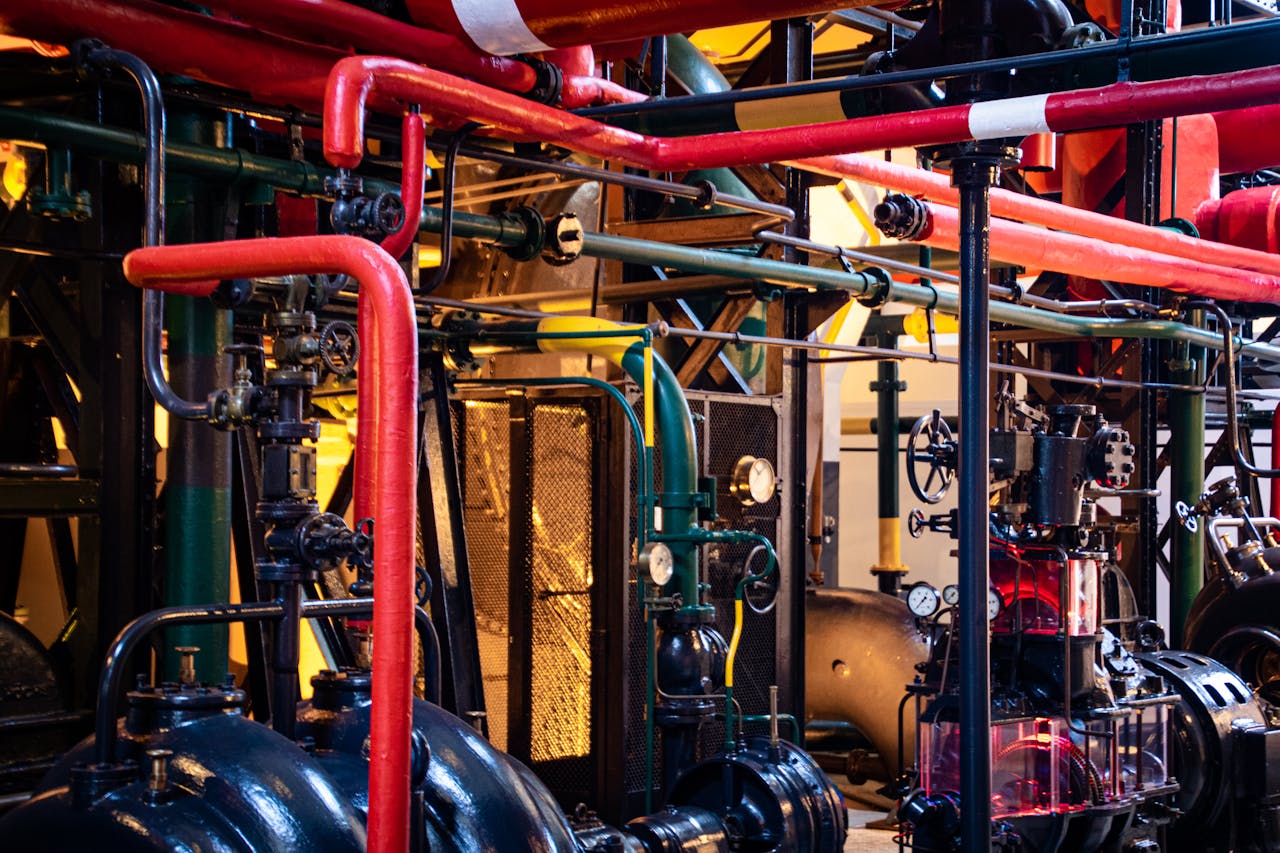 CO₂-saving homes achieve low carbon footprints through smart design. High-performance insulation, energy-efficient windows, and airtight construction are common features. Renewable energy sources like solar panels or heat pumps reduce reliance on fossil fuels. Together, these elements lower emissions and operational costs. This unique combination makes CO₂-saving homes highly desirable.
Environmental Benefits
The environmental advantages of CO₂-saving homes are clear. Reduced energy consumption lowers greenhouse gas emissions. Using sustainable materials and efficient systems also minimizes waste. Homeowners contribute to a cleaner environment without compromising comfort. Communities benefit as well, as clusters of eco-friendly homes help reduce overall neighborhood emissions.
Financial Advantages for Buyers
CO₂-saving homes can offer significant financial benefits. Lower energy bills are immediate savings. Some governments provide tax incentives, rebates, or grants for green construction. Over time, energy-efficient features may increase property value. Investors and buyers alike recognize that energy-efficient homes are likely to retain demand in the long term.
Market Trends and Demand
Sustainability is influencing real estate trends worldwide. CO₂-saving homes are attracting more attention in urban and suburban markets. Buyers, particularly younger generations, prioritize energy efficiency and eco-conscious design. This rising demand is shaping how developers plan new projects. Homes with green certifications often sell faster and at premium prices, reflecting shifting market priorities.
Design Features That Make a Difference
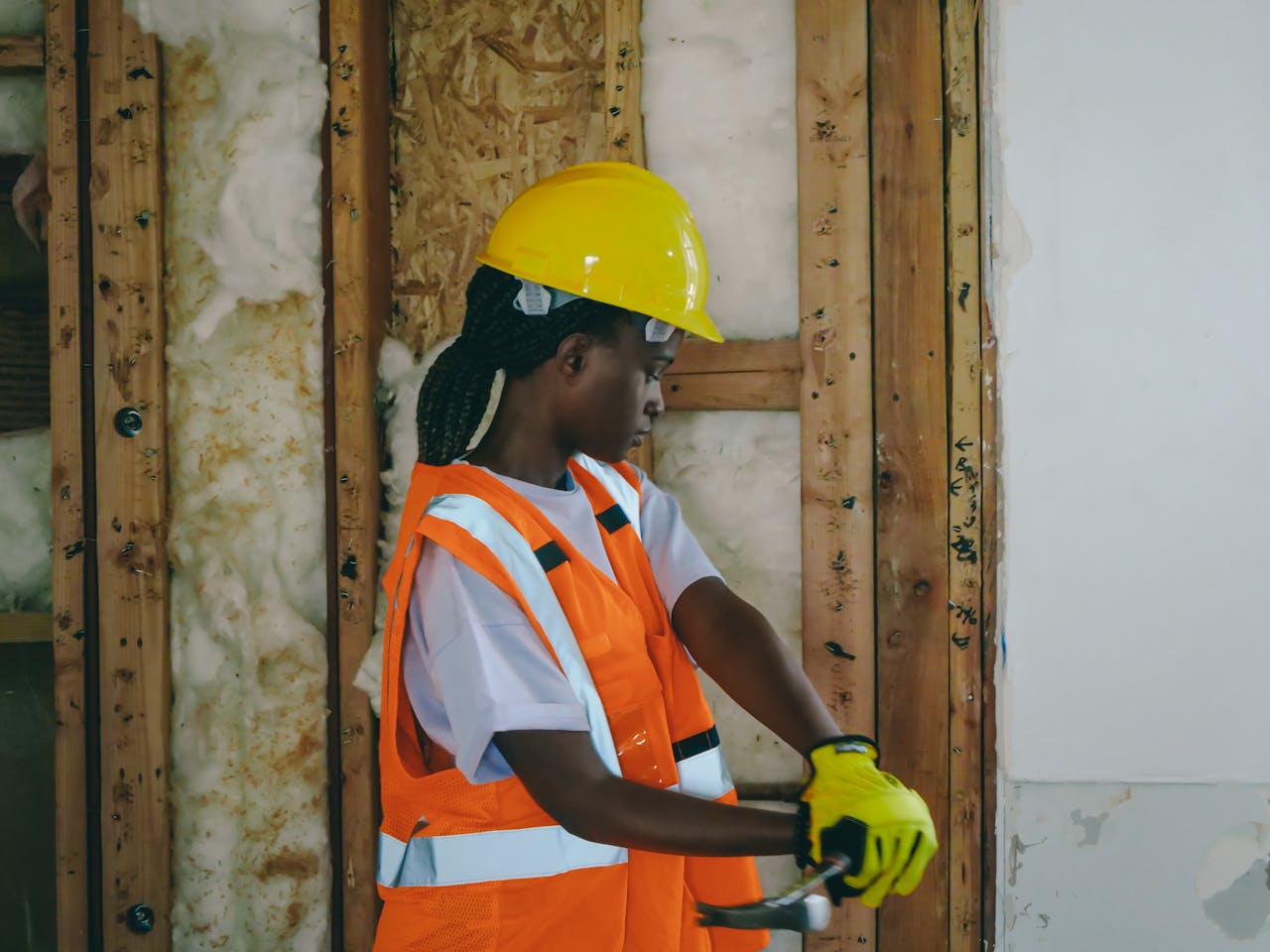
Several design features make CO₂-saving homes stand out. Passive solar heating, natural ventilation, and high-quality insulation reduce energy use. Water-saving fixtures and smart home technology enhance efficiency further. These details ensure that the home performs optimally while remaining comfortable. When combined thoughtfully, these features create a living space that is both practical and environmentally responsible.
Investment Potential
Investing in CO₂-saving homes is becoming increasingly attractive. Energy-efficient homes tend to hold value better over time. They appeal to a broader audience, from eco-conscious buyers to investors seeking long-term returns. Developers who focus on low-carbon construction can position themselves as market leaders. This trend reflects the growing importance of sustainability in property investment.
CO₂-saving homes are more than a trend. They are shaping the future of real estate. Environmental awareness, stricter energy regulations, and rising energy costs make them an essential part of modern housing. Homebuyers and investors who embrace these properties gain both financial and social advantages. As energy efficiency becomes a standard expectation, CO₂-saving homes are set to dominate the market. Choosing them is not just smart. It is responsible.