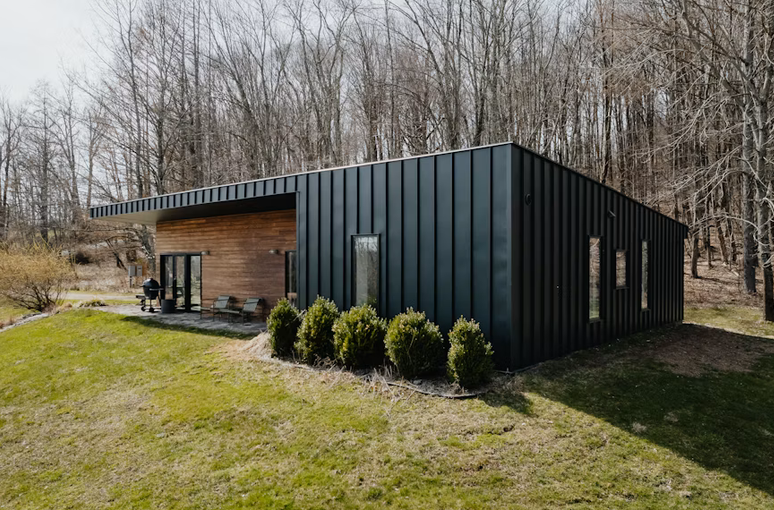
The arrival of a modular home is an exciting milestone, but the process begins long before the delivery trucks pull into your property. Behind the scenes, several important steps ensure everything is ready for a smooth installation. From obtaining permits to preparing the land and coordinating logistics, careful planning helps avoid delays and unexpected challenges. Understanding what happens before your modular home arrives can help you feel more confident and prepared as you move closer to settling into your new home.
Planning and Finalizing the Home Design
Every successful modular home project starts with a detailed design and planning phase. Homeowners work closely with designers, builders, and manufacturers to finalize floor plans, finishes, and custom features before construction begins in the factory. During this stage, many buyers also explore ideas for personalized layouts from https://www.fertighaus.com/news/architektenhaus-als-fertighaus-so-verbinden-sie-individuelle-planung-mit-den-vorteilen-des-systembaus/ to better understand how customized designs can work alongside the efficiencies of modular construction. Once every detail is approved, the manufacturing process can move forward with confidence.
Securing Permits and Site Approvals
Before construction begins, the necessary permits and approvals must be obtained. Local building departments typically review plans to ensure they meet zoning requirements, building codes, and safety regulations. This process can vary depending on the location, so allowing enough time for approvals is essential. Completing this paperwork early helps prevent unnecessary delays later in the project.
Preparing the Building Site
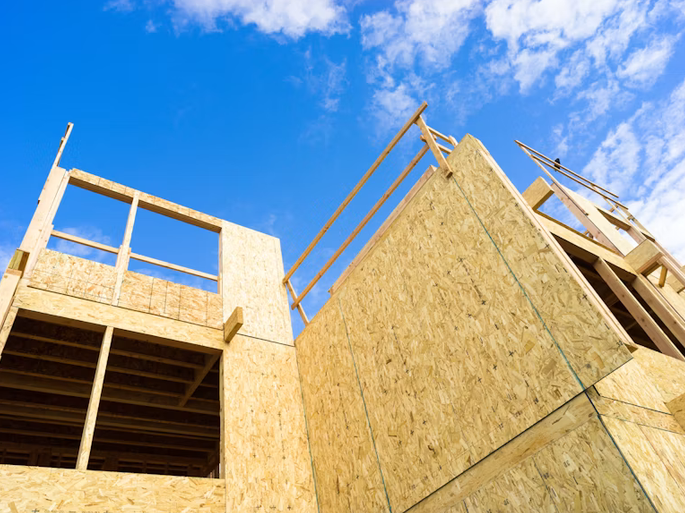
While the home is being built in the factory, work begins on preparing the land where it will be installed. Contractors clear the property, level the ground, and make any necessary grading adjustments to improve drainage and create a stable building surface. Utility connections for electricity, water, sewer, and gas are often planned and installed during this phase as well. Proper site preparation ensures the modular home can be placed efficiently once it arrives.
Building the Foundation
One of the most critical tasks before delivery is completing the home’s foundation. Depending on the design and location, this could be a crawl space, basement, slab, or pier foundation. The foundation must be constructed with precise measurements so the modular sections fit perfectly during installation. Inspectors may also review the completed foundation before the home is delivered to verify it meets local requirements.
Coordinating Delivery and Installation
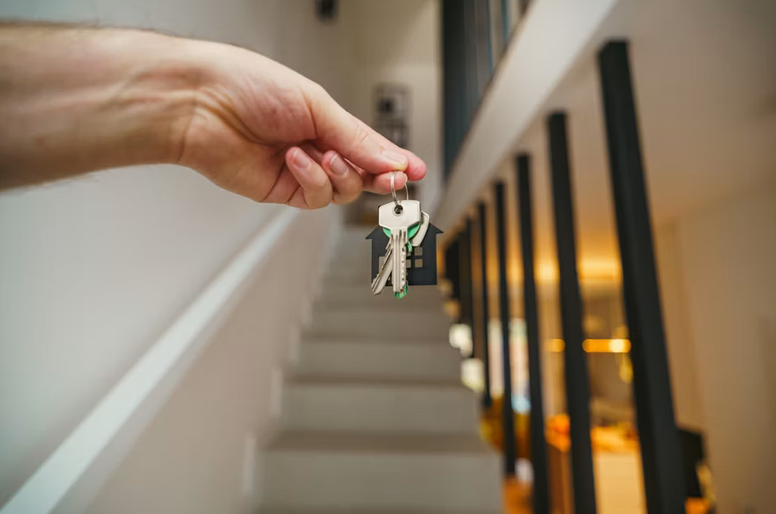
Moving a modular home requires careful coordination between the manufacturer, transportation companies, and installation crew. Delivery routes are planned to accommodate oversized loads, and weather conditions are monitored to reduce the risk of delays. Once the home arrives, cranes and specialized equipment lift the modules into position, where crews securely connect the sections and complete the structural assembly. Good communication among everyone involved helps the installation process proceed as efficiently as possible.
Completing Final Preparations Before Move-in
After the home is assembled, several finishing tasks remain before it is ready for occupancy. Contractors connect utilities, seal joints between modules, complete interior finishes, and perform final inspections. Exterior features such as porches, decks, driveways, or landscaping may also be finished during this stage. Once inspectors approve the completed home, homeowners can begin preparing for move-in with confidence.
The delivery of a modular home is only one part of a much larger process that begins well in advance. Careful planning, permit approvals, site preparation, foundation work, and coordinated logistics all contribute to a successful installation. By understanding these important steps, homeowners can better appreciate the planning involved and feel more prepared for the exciting day their modular home finally arrives.…


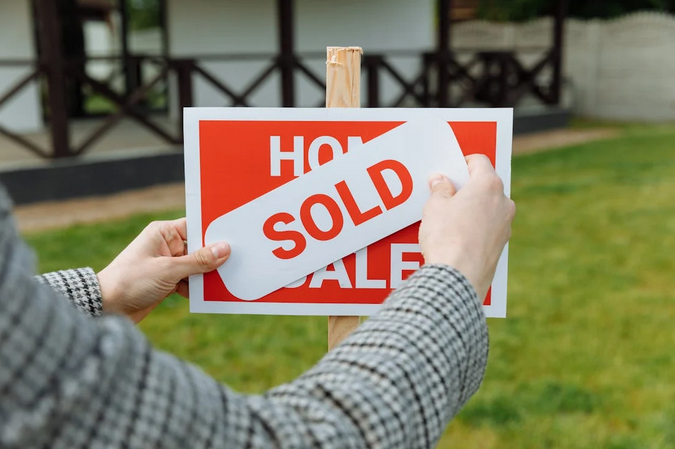 An investor’s reputation is one of the most valuable assets in real estate. Ethical behavior attracts like-minded partners, quality tenants, and discerning buyers. Investors known for fairness, transparency, and social responsibility are likely to gain access to exclusive opportunities and favorable deals. Over time, a strong reputation reduces transaction friction, builds stakeholder trust, and ensures longevity in a competitive market. Ethical investors create a virtuous cycle, where responsible behavior reinforces credibility, providing financial and societal benefits.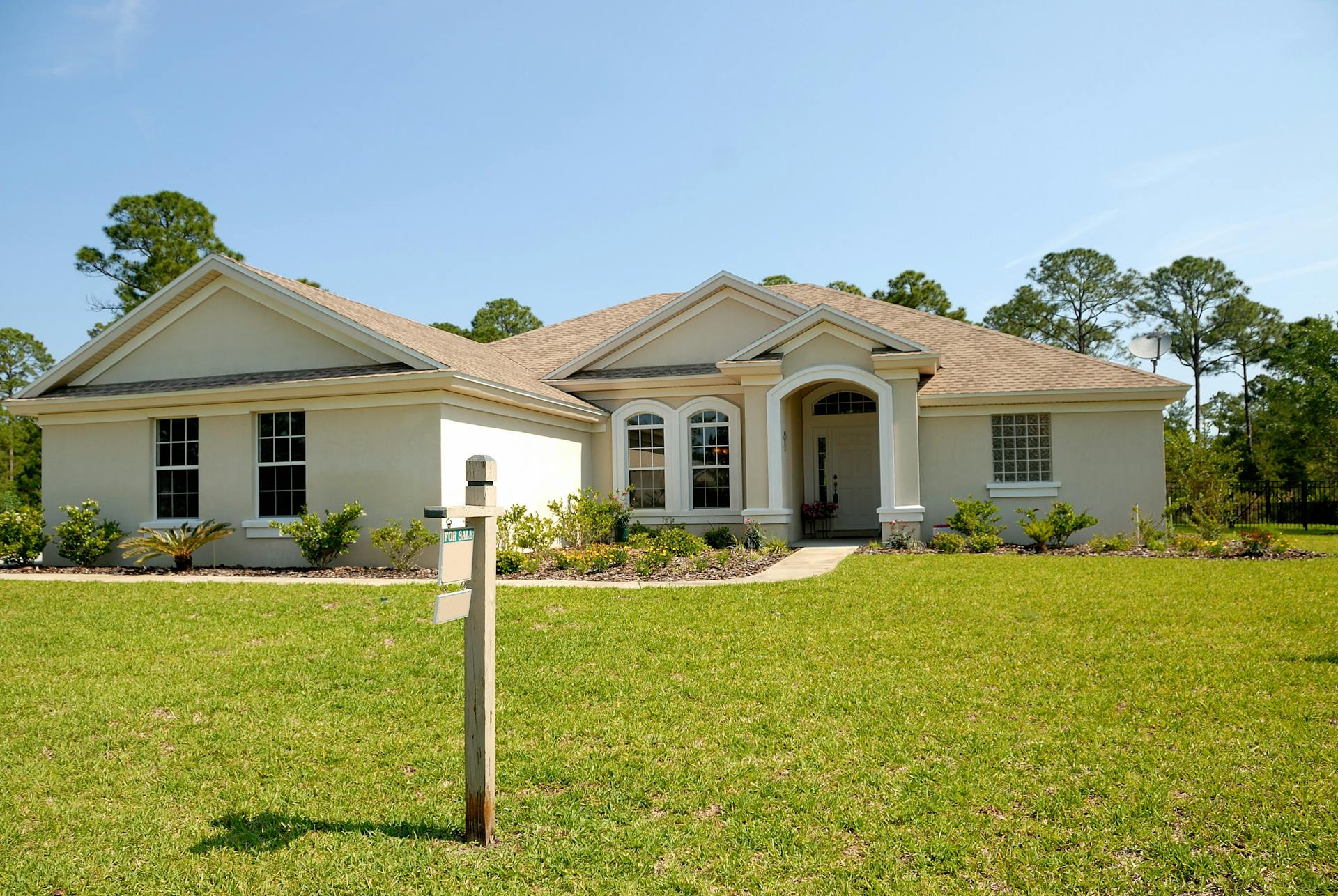
 CO₂-saving homes achieve low carbon footprints through smart design. High-performance insulation, energy-efficient windows, and airtight construction are common features. Renewable energy sources like solar panels or heat pumps reduce reliance on fossil fuels. Together, these elements lower emissions and operational costs. This unique combination makes CO₂-saving homes highly desirable.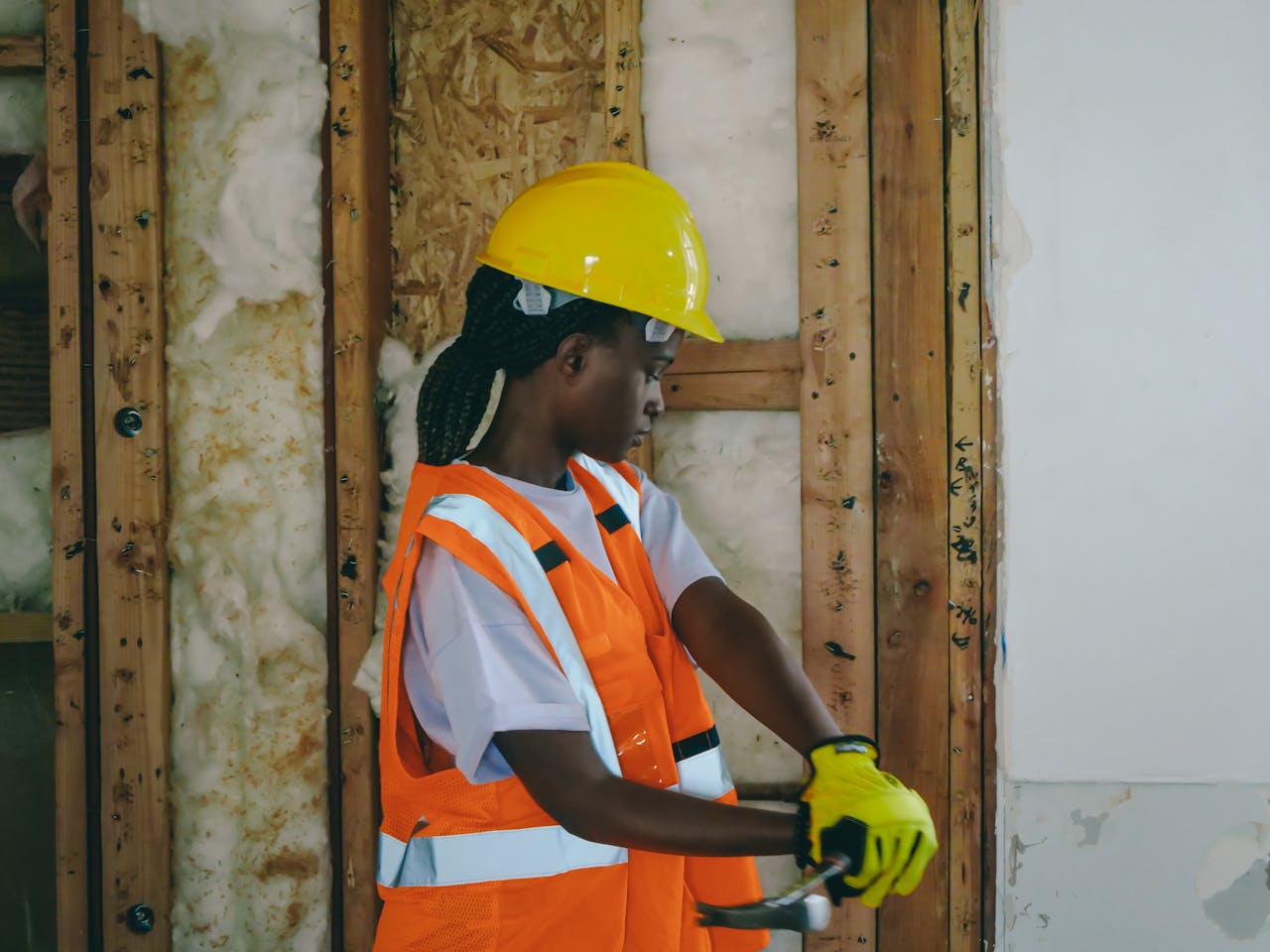
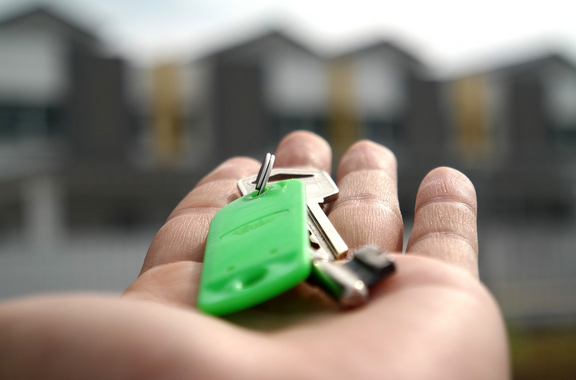


 One of the most important things you can do to maintain or increase the value of your home is to keep it in good repair. This means regularly fixing any issues, such as leaks, cracks, or damage. It also means keeping up with trends by painting the walls or replacing old appliances.
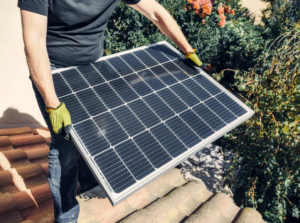 Energy efficiency is becoming increasingly important to buyers, so making your home more energy-efficient is an excellent way to increase its value. If your home has good energy efficiency, it will make an excellent first impression and be more likely to sell for a higher price.
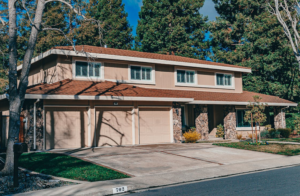 If you increase the size of your home, such as by adding an addition or finishing the basement, do it. It will make your home more valuable and appealing to potential buyers. Instead of tearing down walls to create an open floor plan, consider adding. This will give you the extra space you desire without compromising the value of your home.

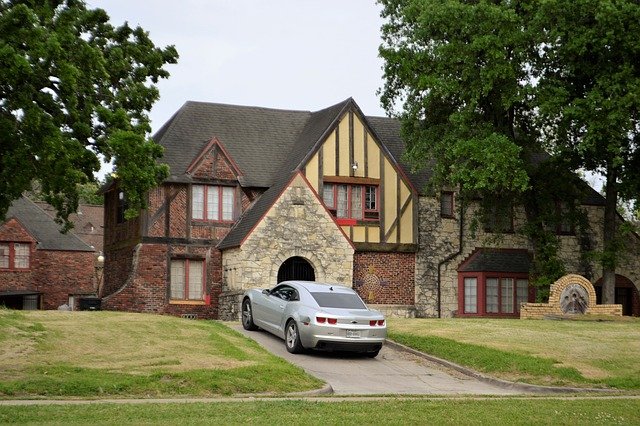 The first thing you should think about when installing a new driveway is its purpose. You might think that the objective is to provide a parking space for a car, but there are a few more factors to consider. Occasionally, a driveway could be used as a turning point or could be the place where you keep your boat. The purpose and general use of your driveway should be considered when choosing the right equipment for your driveway. If you want to build a more visually attractive driveway, you can prefer brick, stone, concrete, or asphalt, depending on your choice. The level of pedestrian and automotive use of your driveway will influence the type of material you choose to make it more attractive.
 Your driveway should reflect your design while adapting to the limitations of your home and location. Fortunately,
 The biggest advantage that real estate investments have over other types of investments is that they cannot be easily converted into money, so the investor is forced to manage his investment. Once engaged in an investment, the investor is forced to meet his monthly obligations, even if it means giving up the rest of his free time. Real estate investments are subject to an increase in value.
 For those who want to make a profit from investing, this is the right time to buy. You could buy a property at a very low price to rent it and get a positive cash flow, keep it for a long term profit, or perhaps trade it for a quick profit. Some people buy properties that need repairs, have them repaired quickly, and then offer them for an acceptable profit.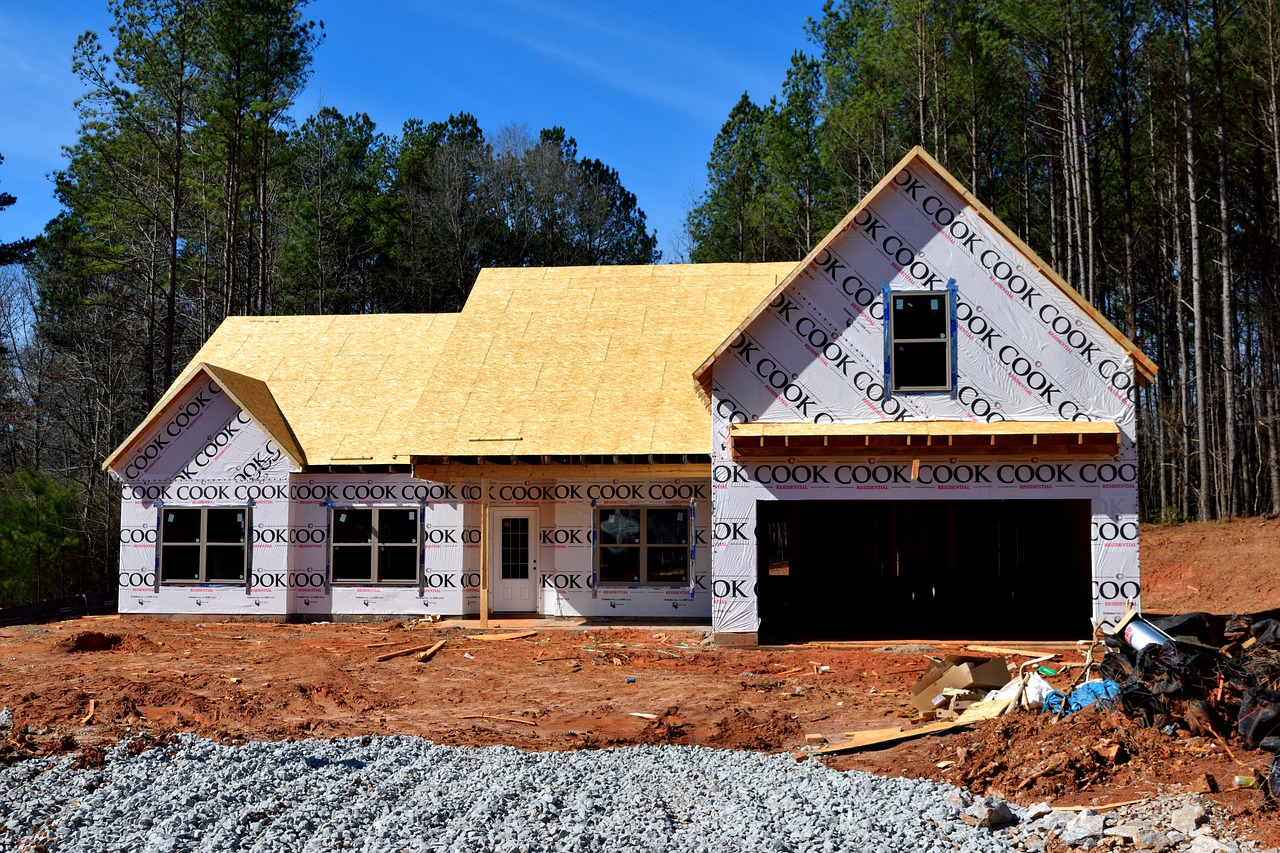
 The timing and commitment may be judged by the comments and opinions of this professional’s clients that you are likely to use. If you understand that the contractor or builder has received testimonials or complaints about contract deadlines, it is best to stop them. Remember that you will end up paying when contractors finish the program. Your work may be affected by changing weather conditions. By avoiding contractors who are not busy, you can save time and money. On the other hand, a dedicated contractor can finish the job and protect you from frustration and stress.
 Trust and Reputation