
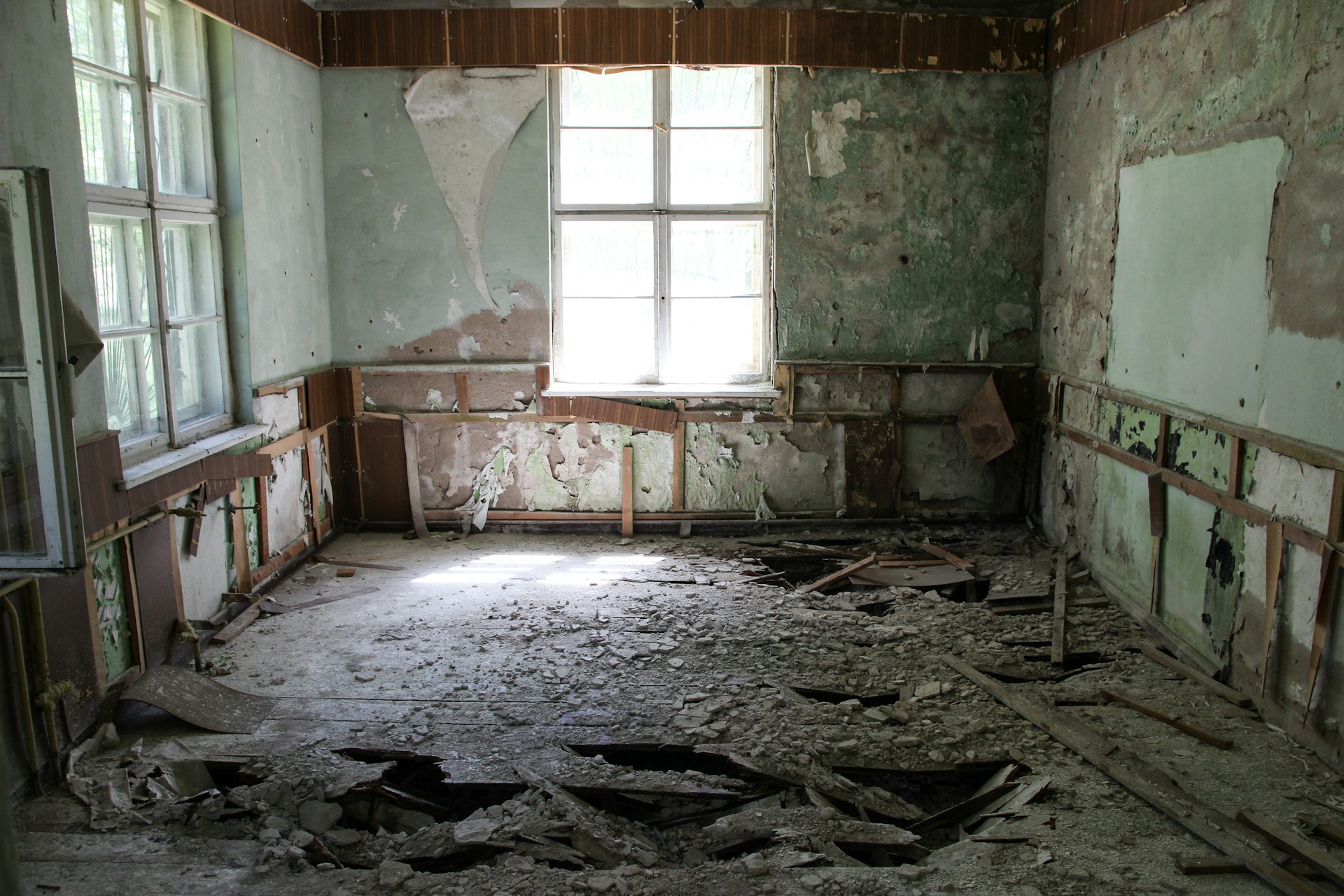
An older home can charm you with original woodwork, vintage details, and stories hidden inside its walls, but age often hides expensive surprises too. Before picking paint colors or dreaming about a bigger kitchen, browsing deavita.com/wohnen/altbau-modernisieren-tipps-energieeffizientes-wohnen-1973719.html can spark practical ideas for making an aging property more energy-conscious while keeping its character intact. The real challenge isn’t deciding what looks beautiful. It’s knowing which projects deserve your attention first. Get that order right, and every dollar works harder. So, give me 3 minutes, and I’ll show what you need to prioritize in renovating an old home.
Build a Strong Foundation Before Chasing Style
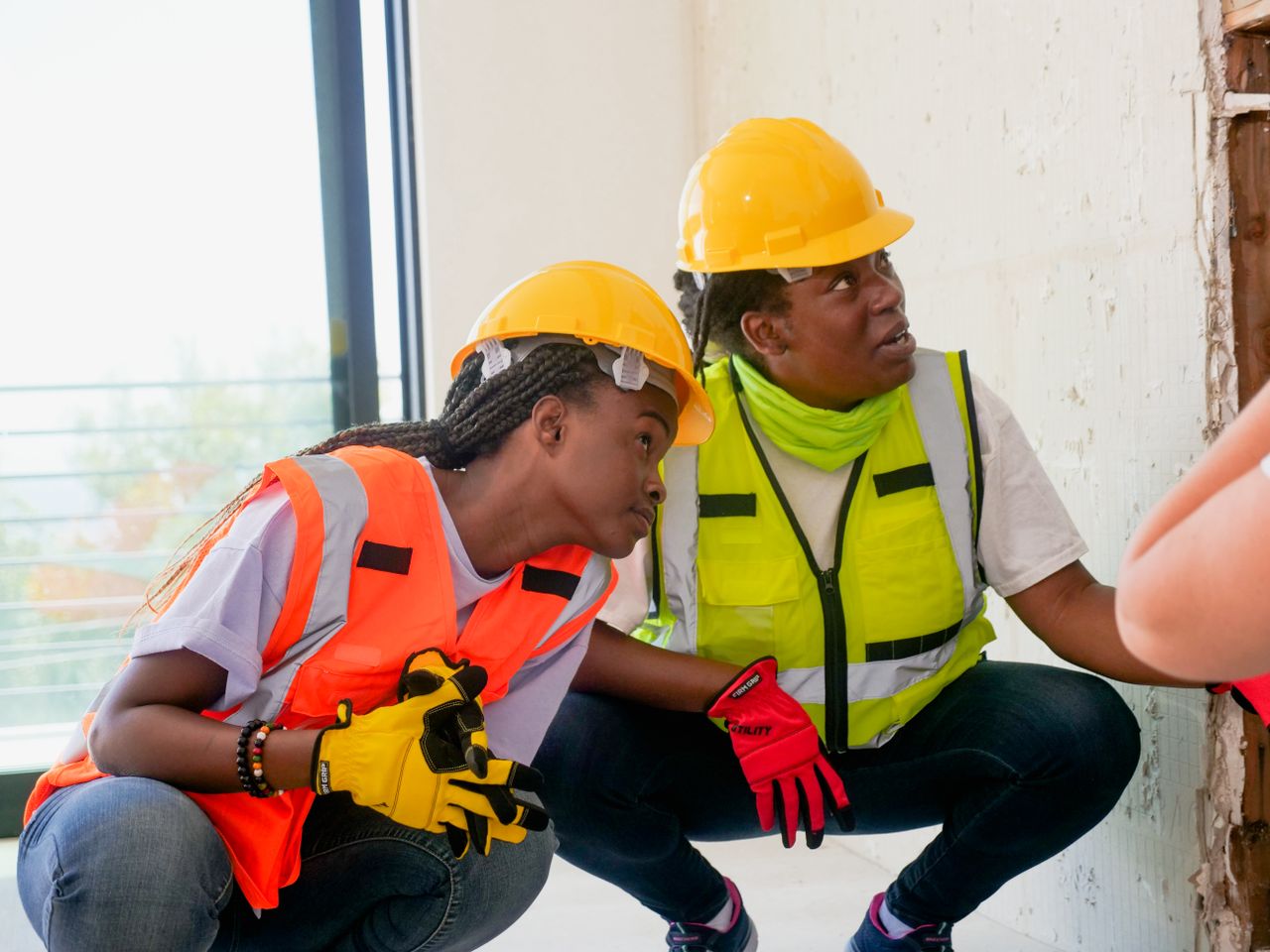
Fresh flooring loses its appeal quickly if the subfloor shifts beneath it. Many professional inspectors put structural concerns on top of theri should always lead the renovation list in either DIY or professional house renovations. Walk through every room and pay attention to sloping floors, sticking doors, and cracks that seem to grow over time. Those clues often point to issues that deserve professional inspection before cosmetic work begins. The same mindset applies to the roof and exterior. A small leak today can become stained ceilings, damaged insulation, and mold tomorrow. Water has a habit of finding every weak spot in an old house. Taking care of these repairs first protects everything you plan to install afterward.
Focus on Energy Efficiency That Pays Back
Older homes often lose heated or cooled air through drafty windows, thin insulation, and gaps around doors. That wasted energy quietly increases utility bills every month. Improving insulation, sealing air leaks, and replacing inefficient windows can create a more comfortable living space in every season.
Preserve Character While Updating Everyday Living
The personality of an older home is often its biggest selling point. Original trim, hardwood floors, decorative moldings, and antique doors add warmth that many newer houses struggle to match. Restoring these details can keep the home’s story alive without making it feel frozen in the past. Modern living still deserves a place. Kitchens, bathrooms, and storage areas can be refreshed without stripping away historic charm. Mixing classic features with practical improvements creates spaces that feel comfortable for daily life while respecting the home’s original design.
Modernize Electrical and Plumbing Systems
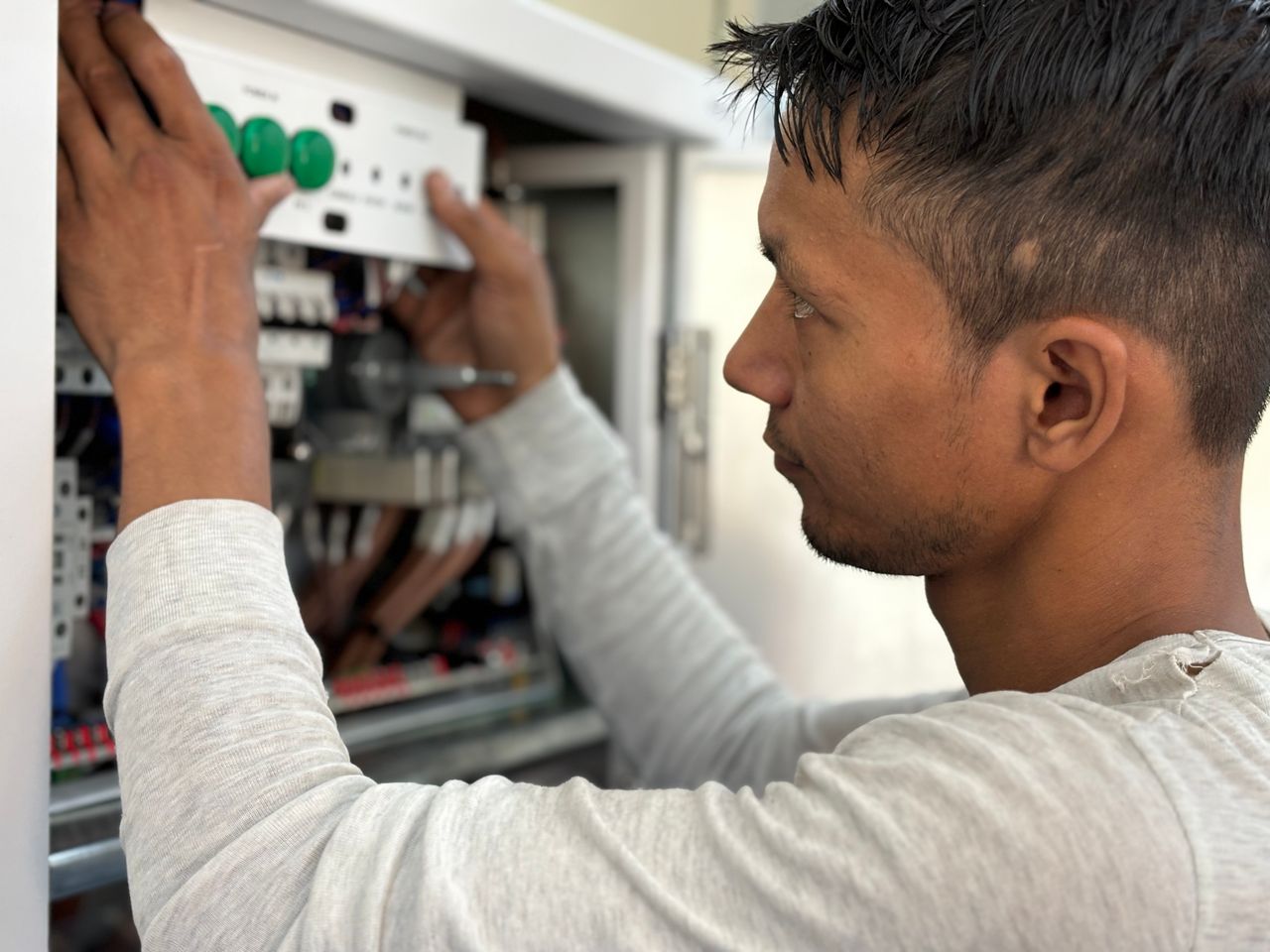
Many older houses were built long before today’s appliances demanded so much electricity. Flickering lights, overloaded outlets, and outdated wiring can create safety concerns that shouldn’t be ignored. Replacing aging electrical components may not be glamorous, but it gives your home a dependable backbone for years ahead. Plumbing deserves equal attention. Galvanized pipes, hidden leaks, or poor water pressure often stay unnoticed until a major failure appears. Renovating walls already gives you access to these systems, making upgrades far less disruptive. Think of it as replacing worn-out bones before putting on a stylish outfit.
Plan Every Project Before the First Hammer Swings
Jumping into renovations without a roadmap often leads to delays and surprise expenses. Create a realistic budget, prioritize repairs, and build room for unexpected discoveries because older homes almost always have a few hidden twists. Good planning keeps decisions calm instead of rushed. Think about how each improvement supports the next one. Completing structural work before finishes prevents expensive do-overs later. A thoughtful renovation isn’t about racing to the finish line. It’s about giving an older home another generation of comfortable, dependable living while preserving the charm that made you fall in love with it in the first place.…