
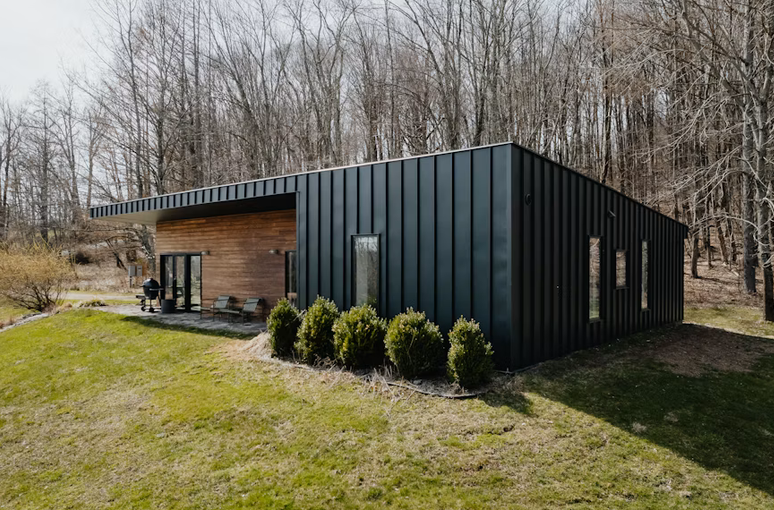
The arrival of a modular home is an exciting milestone, but the process begins long before the delivery trucks pull into your property. Behind the scenes, several important steps ensure everything is ready for a smooth installation. From obtaining permits to preparing the land and coordinating logistics, careful planning helps avoid delays and unexpected challenges. Understanding what happens before your modular home arrives can help you feel more confident and prepared as you move closer to settling into your new home.
Planning and Finalizing the Home Design
Every successful modular home project starts with a detailed design and planning phase. Homeowners work closely with designers, builders, and manufacturers to finalize floor plans, finishes, and custom features before construction begins in the factory. During this stage, many buyers also explore ideas for personalized layouts from https://www.fertighaus.com/news/architektenhaus-als-fertighaus-so-verbinden-sie-individuelle-planung-mit-den-vorteilen-des-systembaus/ to better understand how customized designs can work alongside the efficiencies of modular construction. Once every detail is approved, the manufacturing process can move forward with confidence.
Securing Permits and Site Approvals
Before construction begins, the necessary permits and approvals must be obtained. Local building departments typically review plans to ensure they meet zoning requirements, building codes, and safety regulations. This process can vary depending on the location, so allowing enough time for approvals is essential. Completing this paperwork early helps prevent unnecessary delays later in the project.
Preparing the Building Site
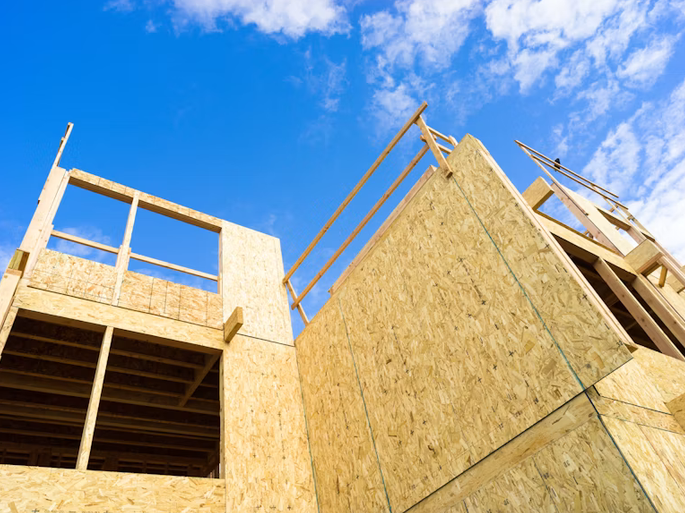
While the home is being built in the factory, work begins on preparing the land where it will be installed. Contractors clear the property, level the ground, and make any necessary grading adjustments to improve drainage and create a stable building surface. Utility connections for electricity, water, sewer, and gas are often planned and installed during this phase as well. Proper site preparation ensures the modular home can be placed efficiently once it arrives.
Building the Foundation
One of the most critical tasks before delivery is completing the home’s foundation. Depending on the design and location, this could be a crawl space, basement, slab, or pier foundation. The foundation must be constructed with precise measurements so the modular sections fit perfectly during installation. Inspectors may also review the completed foundation before the home is delivered to verify it meets local requirements.
Coordinating Delivery and Installation
Moving a modular home requires careful coordination between the manufacturer, transportation companies, and installation crew. Delivery routes are planned to accommodate oversized loads, and weather conditions are monitored to reduce the risk of delays. Once the home arrives, cranes and specialized equipment lift the modules into position, where crews securely connect the sections and complete the structural assembly. Good communication among everyone involved helps the installation process proceed as efficiently as possible.
Completing Final Preparations Before Move-in
After the home is assembled, several finishing tasks remain before it is ready for occupancy. Contractors connect utilities, seal joints between modules, complete interior finishes, and perform final inspections. Exterior features such as porches, decks, driveways, or landscaping may also be finished during this stage. Once inspectors approve the completed home, homeowners can begin preparing for move-in with confidence.
The delivery of a modular home is only one part of a much larger process that begins well in advance. Careful planning, permit approvals, site preparation, foundation work, and coordinated logistics all contribute to a successful installation. By understanding these important steps, homeowners can better appreciate the planning involved and feel more prepared for the exciting day their modular home finally arrives.…


 An investor’s reputation is one of the most valuable assets in real estate. Ethical behavior attracts like-minded partners, quality tenants, and discerning buyers. Investors known for fairness, transparency, and social responsibility are likely to gain access to exclusive opportunities and favorable deals. Over time, a strong reputation reduces transaction friction, builds stakeholder trust, and ensures longevity in a competitive market. Ethical investors create a virtuous cycle, where responsible behavior reinforces credibility, providing financial and societal benefits.
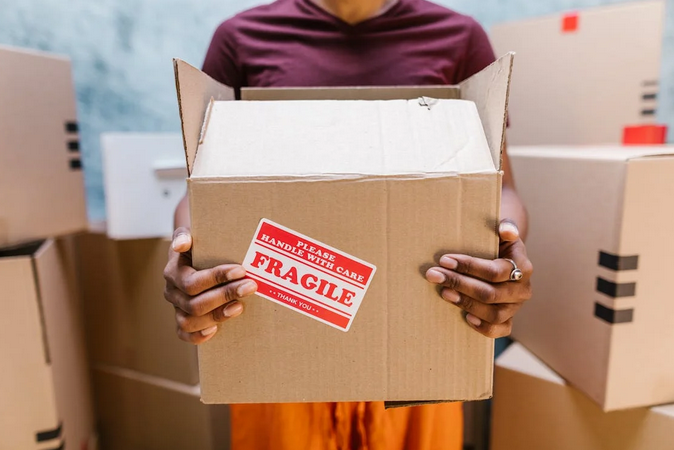

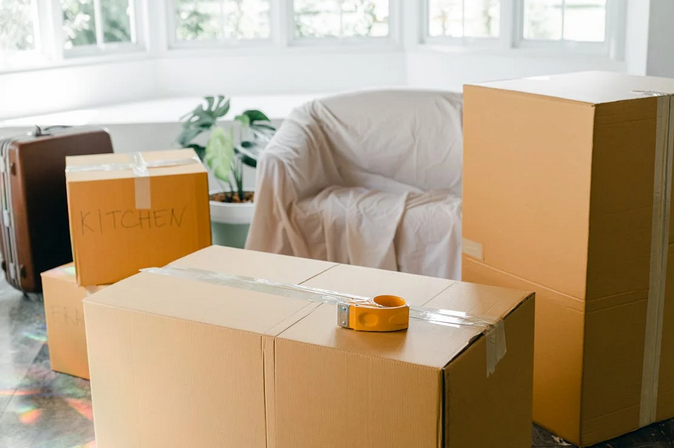
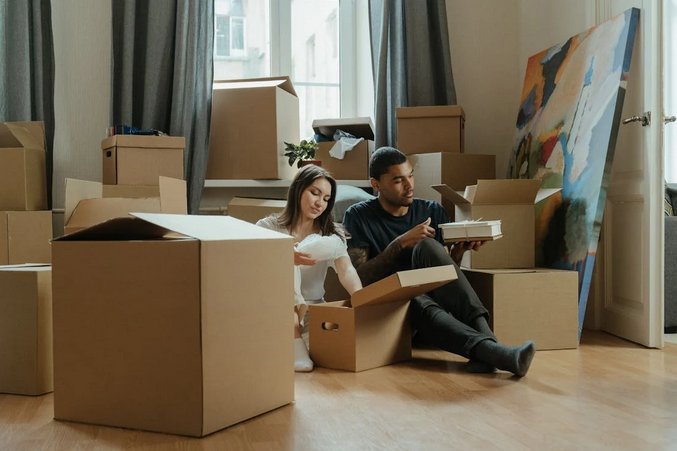

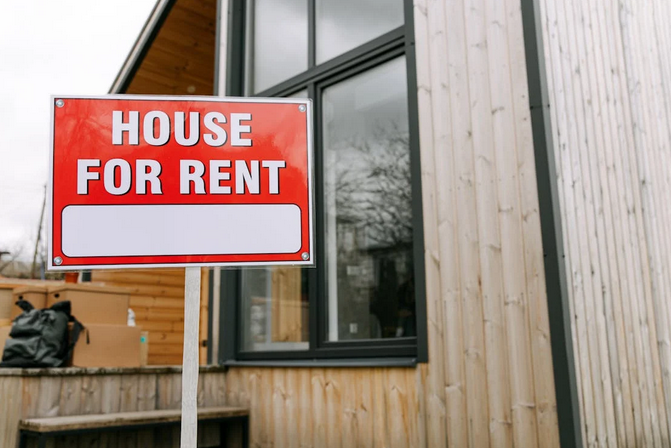








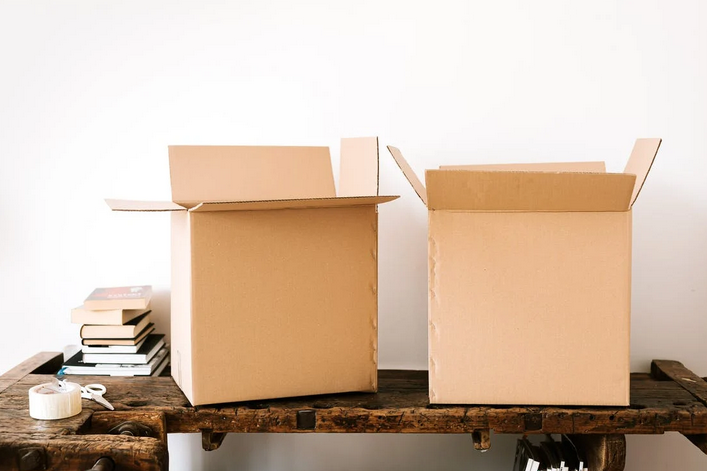
 The first step in choosing the best storage unit for your needs is to determine what you need to store. Make a list of all the items you need to put in storage, and then group them by size. This will help you determine the approximate size of the storage unit you need. It’s important to remember that you may need to access your stored items from time to time, so you’ll want to make sure that the unit is large enough to move around easily. Once you know the approximate size of storage unit you need, you can start looking at different storage facilities. When comparing facilities, pay attention to security, climate control, and price.
 The next things you’ll want to compare are the gate and office hours. Most storage units will have different hours for each. The gate hours are usually when you can access your unit. The office hours are usually when someone is available to help you with anything you need. You’ll want to make sure that the hours work for you and that you’ll be able to access your unit when you need to.
 The first step is to visit a few different storage units in your area. This way, you can get a feel for the space and see what each facility offers. If possible, try to visit during different times of the day to see how busy each unit is. You should also ask about any promotions or discounts that may be available. Once you’ve narrowed down your choices, it’s time to think about what size unit you need.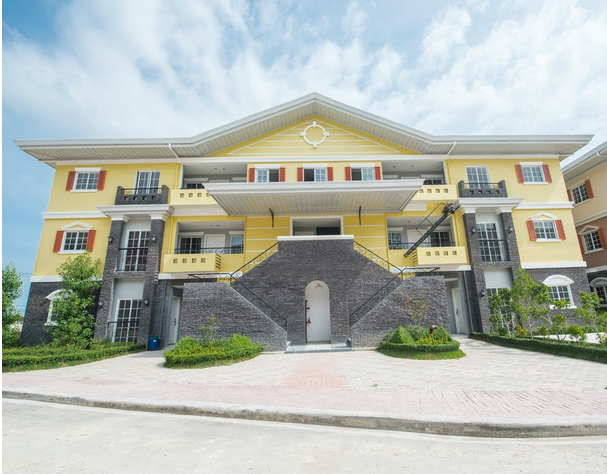
 One of the most important things you can do to maintain or increase the value of your home is to keep it in good repair. This means regularly fixing any issues, such as leaks, cracks, or damage. It also means keeping up with trends by painting the walls or replacing old appliances.
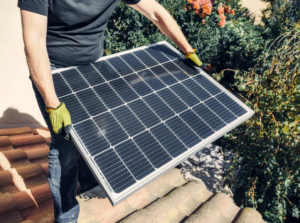 Energy efficiency is becoming increasingly important to buyers, so making your home more energy-efficient is an excellent way to increase its value. If your home has good energy efficiency, it will make an excellent first impression and be more likely to sell for a higher price.
 If you increase the size of your home, such as by adding an addition or finishing the basement, do it. It will make your home more valuable and appealing to potential buyers. Instead of tearing down walls to create an open floor plan, consider adding. This will give you the extra space you desire without compromising the value of your home.
 One of the most important things you can do to maintain your water filtration system is regularly changing the filter. The filter is what removes all the contaminants from your water, so if it’s not changed often enough, your water will not be as clean as it should be. Most filters need to be replaced every six months to a year, depending on your filter type.
 Finally, to finish the maintenance session, you need to test the water pressure at each faucet. If the water pressure is too low, it may signify that the filter needs to be replaced. Low water pressure can also indicate a problem with the unit itself. So it’s a good idea to test the water pressure at each faucet every once in a while to ensure that everything is running smoothly.
 One of the easiest ways to create a great home environment is to use neutral colors. Neutral colors are calming and relaxing, and they can help to make your home feel more spacious. There are many different shades of neutrals, so you can choose those best fit your personality and style. It would help if you researched the types of neutrals available before deciding on a color palette. If you choose colors that don’t go together or clash with other elements in your home, it will not create a good environment for you and your family to live in.
 Another great way to create a great home environment is by replacing your furniture with more comfortable options. The right furniture can make all the difference, and you must choose stylish and functional pieces. If possible, try to buy new furniture every few years so that you always have an updated look in your home. This is why you must create a budget before going shopping.


 A clean home is like paradise and it is always tempting to visit a clean home. For more information visit
  It will be more relaxing going into a bed with new sheets and saying goodnight in an organized home, and you will feel more relaxed in the morning. Crawling-age toddlers can pick up anything off the floor and put it in their mouths. With a clean home, you can spend less time looking for lost items. You will feel better when your home is organized, as you will discover exactly what you need in place.
 The age of your children can help you decide where to place their rooms. If you are building a home and have several children, consider a children’s wing with at least one private bathroom that they can share. There may be a dedicated playroom or shared activity area nearby. If you are renovating the attic, build a study area under the dormer and turn it into a combination of bedroom and play area. For younger children, you may choose to place your rooms closer to the master suite. Teen rooms can be placed better further away to give them and you more privacy.
 If you’re finishing a basement or an entire
 The first thing you should think about when installing a new driveway is its purpose. You might think that the objective is to provide a parking space for a car, but there are a few more factors to consider. Occasionally, a driveway could be used as a turning point or could be the place where you keep your boat. The purpose and general use of your driveway should be considered when choosing the right equipment for your driveway. If you want to build a more visually attractive driveway, you can prefer brick, stone, concrete, or asphalt, depending on your choice. The level of pedestrian and automotive use of your driveway will influence the type of material you choose to make it more attractive.
 Your driveway should reflect your design while adapting to the limitations of your home and location. Fortunately,

 Room Insulation